Harnessing the Power of Aisod AI-LRLM for African Language Resources
At the heart of NAMQULA is the AISOD AI-LRLM, our advanced low-resource language model tailored for African contexts. This technology not only powers the app's quizzes but also enables the creation of extensive literary resources in native languages.
AI MODELINNOVATIONINNITIATIVEAI APP
admim
12/28/20254 min read
Understanding Aisod AI-LRLM and Its Significance
The Aisod AI-LRLM (African Language - Low Resource Language Model) is a groundbreaking technological advancement specifically designed to address the unique linguistic challenges faced by African languages. Developed as part of a broader initiative to enhance digital inclusion, this technology serves as a crucial bridge between technology and native speakers of various African languages. Its primary aim is to facilitate engagement with digital platforms, thereby promoting the preservation and utilization of these languages in various domains.
Aisod AI-LRLM operates on the principles of machine learning, utilizing sophisticated algorithms to analyze and synthesize language patterns. This model is tailored to accommodate low-resource languages, which often lack adequate data and representation in the digital landscape. By focusing on the linguistic nuances and contexts of African languages, Aisod AI-LRLM enables more accurate language processing, ensuring that users can interact with technology in their native tongues.
The significance of Aisod AI-LRLM extends beyond mere language processing; it plays a fundamental role in championing linguistic diversity. In many African regions, native languages are at risk of being overshadowed by dominant global languages. The advent of this AI-driven technology is pivotal in preserving the richness of these languages, providing a platform for their continued use and development, particularly in educational settings. By enabling learners to access educational resources in their native languages, Aisod AI-LRLM contributes to a more inclusive learning environment, paving the way for improved educational outcomes.
In conclusion, Aisod AI-LRLM stands as a significant innovation in the realm of language technology, especially for African languages. Its tailored approach not only supports effective communication but also fosters a resurgence of interest and pride in linguistic heritage across the continent.
Resource Generation for African Languages
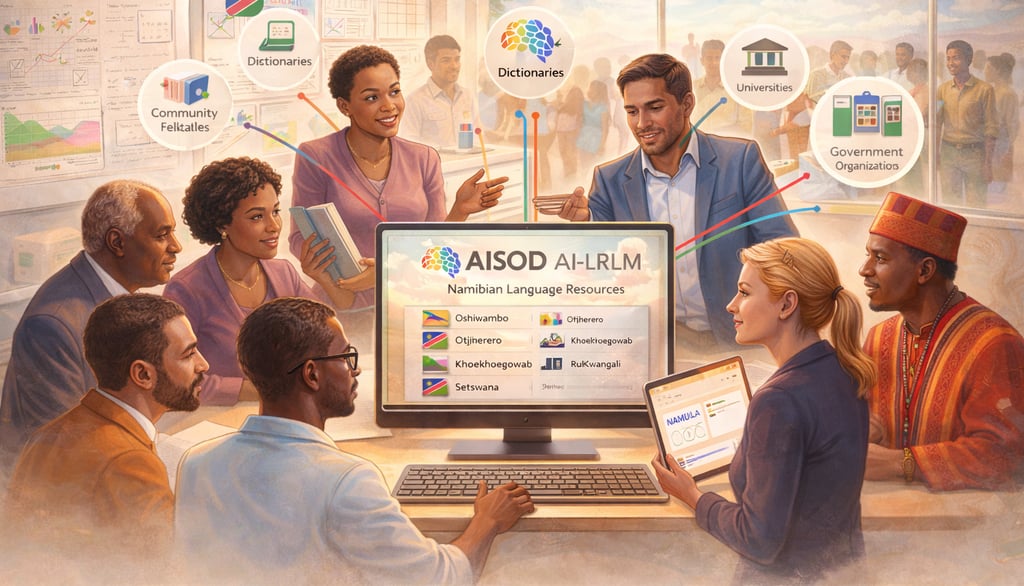
The Aisod AI-LRLM is a powerful tool that can significantly contribute to the generation of diverse resources dedicated to African languages. This resource generation encompasses a wide array of materials, each tailored to support language learners and preserve the richness of cultural heritage.
One of the primary resources that can be developed is dictionaries. These dictionaries not only provide definitions but also include phonetic transcriptions and usage examples, which are essential for learners seeking to grasp the nuances of each language. Additionally, grammar guides can be created, detailing the rules and structures that govern the language. Such guides serve to clarify common grammatical challenges, enhancing learners' understanding and proficiency.
Another vital resource involves the collection of proverbs, stories, and folktales. Proverbs encapsulate traditional wisdom and cultural values, making them excellent teaching tools. By incorporating these into language learning, the relevance of cultural context is foregrounded, ensuring that the language is not learned in isolation but rather within its rich cultural backdrop. Stories and folktales, on the other hand, engage learners by illustrating language in action, promoting not just language skills but also comprehension and retention through narrative.
Educational materials such as workbooks, flashcards, and interactive applications can also be generated using the Aisod AI-LRLM technology. These materials can cater to various learning styles, assisting in vocabulary acquisition and grammatical structure understanding. The incorporation of multimedia elements, such as audio pronunciation guides, can further enhance the learning experience.
Through the development of these resources, Aisod AI-LRLM plays a crucial role in facilitating language learning and preserving the linguistic and cultural heritage of African languages. Each type of resource generated is instrumental in promoting fluency and fostering a deeper connection to African cultures.
Collaboration for Authenticity and Relevance
The development of African language resources, particularly through the Aisod AI-LRLM project, necessitates a multifaceted approach, where collaboration plays an integral role. By engaging diverse stakeholders such as writers, linguists, educators, community leaders, universities, and governmental organizations, we can ensure that the resources produced are both culturally authentic and linguistically accurate. Each group brings unique insights and expertise, which are invaluable for creating content that is genuinely reflective of the communities served.
Writers and linguists contribute significantly to the selection of vocabulary, grammar, and idiomatic expressions that are representative of local dialects and usages. Their deep understanding of linguistic nuances allows for the creation of resources that enhance language learning and preserve linguistic heritage. This involvement ensures that the educational materials generated through Aisod AI-LRLM resonate with native speakers and maintain the integrity of the language.
Teachers and educators serve as a bridge between the resources and the learners. They can offer feedback on what works in a classroom setting, tailoring content to meet specific educational standards and pedagogical approaches. Their participation helps in curating effective resources that cater to different learning styles and levels of proficiency.
Community leaders play a crucial role in validation processes, ensuring that the resources align with cultural practices and values. They can facilitate community engagement initiatives, deepening the connection between the language resources and the individuals who use them. Furthermore, collaboration with research institutions fosters innovation, as they can provide access to current methodologies and best practices in language resource development.
Finally, the involvement of government organizations ensures that language initiatives receive the necessary support and recognition, which can lead to sustained resource availability and utilization. Through collaborative efforts, Aisod AI-LRLM can achieve its goal of empowering African language speakers, ultimately enhancing the richness and diversity of educational content available.
Future Impact and Policy Alignment
The introduction of Aisod AI-LRLM (Artificial Intelligence for African Language Resources and Language Resource Management) holds considerable promise for the preservation and promotion of African languages. As this technology evolves, its impact on education and cultural heritage can be profound. Language preservation is crucial not only for maintaining cultural identity but also for fostering a diversified educational landscape that values all languages equally. The integration of Aisod AI-LRLM into educational systems can provide learners with resources in their native languages, enhancing understanding and retention.
Furthermore, alignment with government policies and educational frameworks is essential for the successful implementation of this technology. African governments can play a pivotal role in supporting language preservation initiatives by weaving Aisod AI-LRLM into national educational standards. This can facilitate the inclusion of local dialects and languages in curriculum development, ultimately helping students engage more deeply with their cultural roots.
Private companies also have a vital part to play in this endeavor. By investing in research and development, as well as collaborating with educational institutions, businesses can help create robust platforms that leverage Aisod AI-LRLM capabilities. These platforms can serve not only as educational tools but also as means for community engagement, promoting the use of African languages in various contexts.
The anticipated benefits for learners, educators, and the wider community are substantial. Enhanced access to educational materials in indigenous languages can bridge gaps, particularly in rural areas where language resources are scarce. Ongoing support and innovation will be crucial in ensuring that Aisod AI-LRLM can adapt to the evolving linguistic landscape of Africa. Ensuring adequate funding, training, and technological infrastructure will be necessary steps to harness the full potential of this innovative approach to language resource management.