Empowering Language Preservation and Digital Inclusion in Namibia: The Namqula Initiative
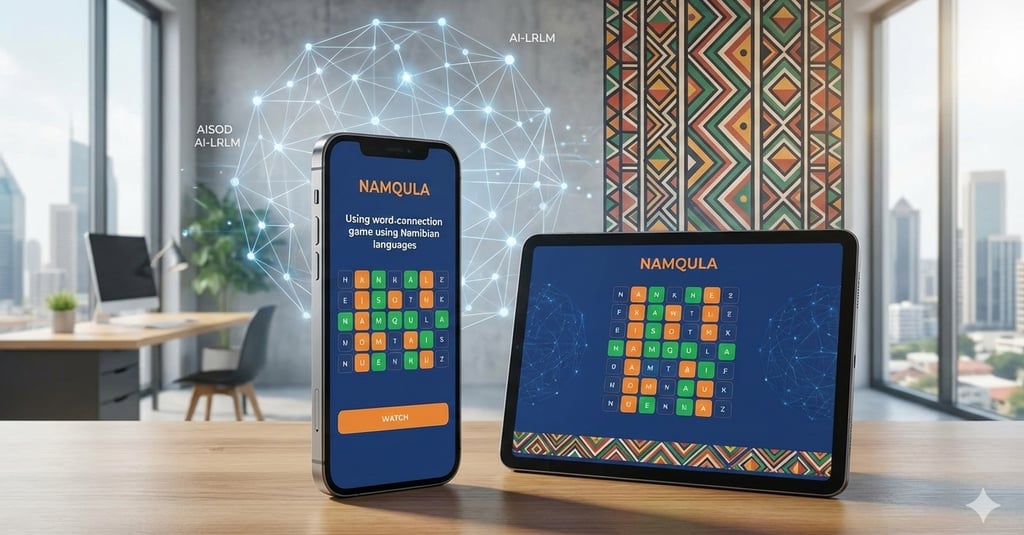
NAMQULA represents the pinnacle of our commitment to leveraging AI for cultural empowerment, education, and innovation in Namibia. Built on our proprietary AISOD AI-LRLM (Low-Resource Language Models), this open-source hybrid web and mobile application transforms language learning into an engaging, interactive experience.
AI MODELAI APP
admin
12/28/20254 min read
Introduction to Namqula: A Vision for Language Preservation
The Namqula initiative stands as a critical frontier in enhancing language preservation and cultural identity within the diverse landscape of Namibia. This initiative was conceived to address the urgent need for the documentation and revitalization of the myriad languages spoken across the nation, many of which are at risk of disappearing. The core mission of Namqula aligns seamlessly with the broader objectives of the Artificial Intelligence Service Optimization for Development (aisod) framework, which emphasizes cultural empowerment, educational enhancement, and digital inclusion.
By leveraging advancements in artificial intelligence, the Namqula initiative seeks to create accessible tools that promote language learning, ensure the transmission of cultural heritage, and foster inclusivity in an increasingly digital world. This is particularly important for Namibia, where language is deeply intertwined with identity and community cohesion. The adoption of AI technologies allows for innovative solutions that can assist in preserving not only the lexicon but also the nuanced oral traditions that characterize Namibia's rich cultural tapestry.
Furthermore, Namqula plays a crucial role in integrating language rights into the broader context of digital literacy. As the world moves toward a digital sphere, it is paramount that Namibians of all linguistic backgrounds are able to participate fully. This initiative aims to empower communities by providing platforms for digital storytelling and content creation, ensuring that voices from all demographics are represented and heard. Through the efforts of Namqula, the importance of language preservation is highlighted as a vital element in achieving lasting cultural empowerment and social equity. Ultimately, the initiative reflects a commitment to safeguarding Namibia's linguistic heritage while promoting a forward-looking approach to cultural vitality in the digital age.
The AI-LRLM Technology: Revolutionizing Language Learning
The advent of AI-driven technologies has significantly transformed various fields, and language learning stands out as an area ripe for innovation. At the core of the Namqula Initiative is the aisod AI-LRLM (Artificial Intelligence Low-Resource Language Models), a groundbreaking technology designed to empower learners of underrepresented languages in Namibia. Low-resource language models are specifically tailored to work effectively with languages that typically lack extensive data or resources. This makes them particularly valuable for preserving and promoting linguistic diversity.
The unique architecture of AI-LRLM allows it to process and analyze linguistic characteristics even in languages with limited digital presence. By harnessing this technology, Namqula can provide a rich and engaging educational experience tailored to the specifics of Namibian languages such as Oshiwambo, Rukwangali, and more. Users can expect enhanced interactivity, with features that adapt according to individual learning progress. Such adaptability is crucial for effective language acquisition, enabling learners to interact with the material in a more personalized manner.
Moreover, the AI-LRLM technology promotes a more immersive learning environment by integrating voice recognition capabilities and real-time feedback mechanisms. This interaction not only fosters users' interest but also helps solidify their grasp of the language. Unlike traditional language-learning applications that may offer generic and one-size-fits-all approaches, Namqula stands out by utilizing AI-LRLM for a tailored learning experience. This distinctive focus on low-resource language models allows Namqula to connect users with their linguistic heritage while promoting a sense of cultural identity.
Collaborative Efforts: Bringing Together Stakeholders for Success
The Namqula Initiative stands as a testament to the power of collaboration in language preservation and digital inclusion. Recognizing that no single entity can effectively address the multifaceted challenges surrounding language learning and preservation, Namqula has formed strategic partnerships with a diverse group of stakeholders, including writers, educators, community leaders, universities, and government organizations.
At the core of these collaborative efforts is a shared vision to foster an ecosystem that supports the teaching and learning of indigenous languages in Namibia. Writers play a crucial role in this initiative by creating educational materials and resources that reflect authentic language usage. Their input ensures that the content produced is culturally relevant and engaging for learners. Moreover, these materials are designed to be accessible, enhancing digital inclusion among marginalized communities.
Educators are essential partners in the success of the Namqula Initiative. By incorporating the developed resources into their curricula, they actively contribute to the revitalization of indigenous languages. Workshops and training sessions facilitate ongoing professional development, empowering educators to utilize modern teaching methodologies and technologies in language instruction.
Community leaders and local organizations serve as bridges between the Namqula Initiative and the community. Their involvement guarantees that the initiative aligns with local needs and priorities, fostering a sense of ownership among community members. Additionally, partnerships with universities enrich the initiative by providing academic rigor and research support, informing best practices and innovation in language preservation.
Government organizations add essential policy support, ensuring that language preservation is integrated into broader educational agendas. Through these collaborative efforts, the Namqula Initiative cultivates a supportive ecosystem, demonstrating that collective action enhances the likelihood of achieving sustainable success in language learning and preservation in Namibia.
Future Perspectives: Expanding Namqula's Impact
Looking towards the future, the Namqula initiative stands poised to significantly enhance its impact on language preservation and digital inclusion throughout Namibia. As the initiative evolves, it seeks to implement a series of planned developments aimed at broadening its reach and effectiveness. One of the core areas of focus is the integration of advanced language technologies that will facilitate smoother interaction between users and the digital platform. By incorporating machine learning and artificial intelligence, Namqula aims to improve translation accuracy and service efficiency, rendering it more beneficial for users in need of linguistic support.
Moreover, future collaborations with local communities, government agencies, and educational institutions are pivotal. By fostering partnerships, Namqula can harness collective resources and knowledge, facilitating a more inclusive approach to language technology. Such collaborations may lead to workshops and seminars, encouraging local involvement and empowering communities to actively participate in their language preservation efforts. This synergy will not only bolster the initiative's profile but also promote mutual learning among stakeholders.
The importance of user feedback cannot be overstated in this development phase. Gathering insights from users is essential for aligning Namqula’s offerings with the actual needs and preferences of the community. Continuous improvement, shaped by user experiences, will ensure that the platform remains relevant and effective. Surveys, focus groups, and an engaging online community can be vital tools for collecting this feedback. Through these methodologies, Namqula can adapt dynamically to the changing landscapes of both language and technology, securing its role as a leader in digital inclusion in Namibia and potentially influencing similar initiatives globally.